Intel’s latest graphics card, the Battlemage Arc Pro B70, has been put to the test and the results are impressive. This new GPU matches the performance of Nvidia’s RTX 5060 Ti with 16 GB of memory, a development that could shake up the mid-range GPU market. As first reported by PC Gamer, benchmarks indicate that the Battlemage Arc Pro B70 stands toe to toe with Nvidia’s offering, making this a noteworthy entry for Intel as they continue to establish their footing in the competitive GPU landscape.
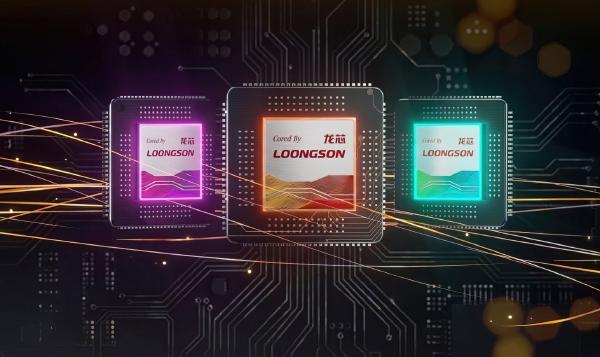
Loongson, the Chinese chipmaker, is gearing up for a significant leap into the CPU and GPU market with its upcoming 3B6600 CPUs and 9A1000 GPUs, expected to launch sometime next year. As first reported by Wccftech, these new offerings aim to deliver performance on par with Intel’s 12th-generation processors and AMD’s Radeon RX 550 graphics cards, although they will essentially be competing with technology from several years ago.
In a significant moment for both companies, Intel CEO Lip-Bu Tan expressed his congratulations to NVIDIA’s CEO Jensen Huang on receiving an Honorary Doctorate in Science and Technology from Carnegie Mellon University. This prestigious recognition was bestowed upon Huang during the university’s 2026 Commencement ceremony, where he delivered the keynote address. As first reported by Wccftech, Tan took the opportunity to not only celebrate Huang’s achievements but also to announce that Intel and NVIDIA are collaborating on new and innovative products.
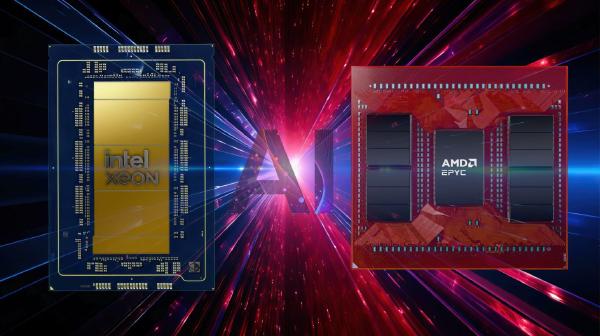
In an unprecedented shift in the data center landscape, AMD has reported a significant surge in revenue, overtaking Intel for the first time in the first quarter of this year. This milestone is largely attributed to the growing demand for AMD’s EPYC CPU line, which has become a preferred choice among hyperscalers amid an evolving technological landscape. As first reported by Wccftech, both AMD and Intel are experiencing heightened demand, yet AMD has managed to carve out the largest share of the market.
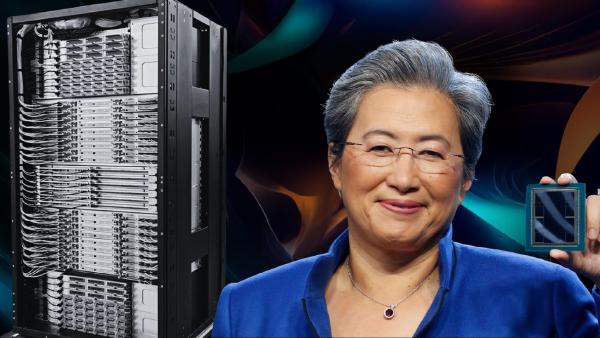
During AMD’s recent fourth-quarter earnings call, CEO Dr. Lisa Su shared insights into the company’s performance and strategic outlook, particularly in relation to the burgeoning market for artificial intelligence (AI). As first reported by Wccftech, Su aimed to quell any fears regarding potential cannibalization between AMD’s CPU and GPU segments, asserting that the rise of agentic AI workloads has been predominantly additive to the demand for accelerator technologies.
Recent rumors indicate that Google is considering Intel for its upcoming tensor processing unit (TPU) chips. Industry analyst Ming-Chi Kuo has chimed in on this potential partnership, suggesting that the success of the collaboration may depend heavily on Intel’s ability to enhance production yields. As first reported by Wccftech, Kuo emphasizes that a significant increase in yield,from 90% to 98%,will be crucial for Google as it aims to streamline costs associated with its next-generation TPU, codenamed Humufish.
Apple is reportedly exploring new avenues for chip manufacturing as it faces challenges with its primary supplier, TSMC. According to sources familiar with the matter, the company is tentatively engaging with both Intel and Samsung in an effort to diversify its silicon supply chain, which has become increasingly critical amid surging demand from AI hyperscalers. This information was first reported by Wccftech.
Recent developments suggest that a new era in handheld gaming PCs might be on the horizon with Intel’s Panther Lake processors. As first reported by PC Gamer, these upcoming chips could significantly enhance the performance of portable gaming devices, provided they can navigate the challenges posed by skyrocketing RAM prices.
Intel is making significant adjustments to its desktop gaming roadmap as it seeks to narrow the performance gap with AMD’s X3D processors. The company aims to enhance both hardware and software technologies over the next five years, a move that signals its commitment to revitalizing its position in the competitive gaming landscape. As first reported by Wccftech, Robert Hallock from Intel’s client CPU team outlined these ambitious plans during an interview with PCGameshardware.
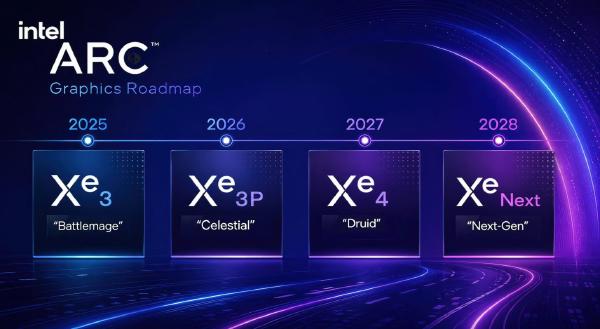
In a significant shift in its GPU strategy, Intel has decided to cancel its Xe3P “Celestial” discrete gaming GPU line, which has been eagerly anticipated by PC gamers and enthusiasts alike. As first reported by Wccftech, Intel is refocusing its efforts on future architectures, with plans to introduce the Xe4 “Druid” in 2027, followed by a next-generation Xe architecture in 2028.
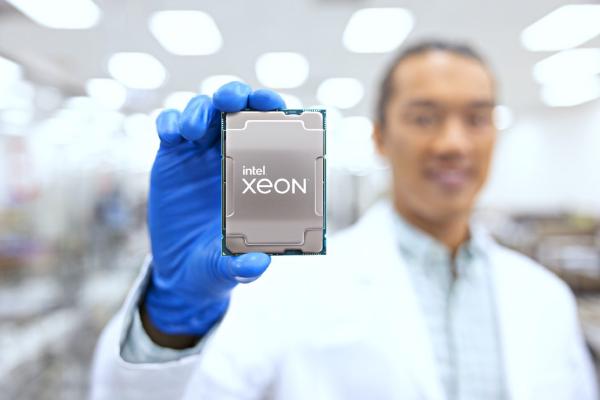
Intel has officially postponed the release of its highly anticipated Diamond Rapids Xeon processors to 2027. Initially slated for launch this year, the delay can be attributed to various factors including yield issues and the cancellation of the 8-channel memory line. As first reported by Wccftech, the Diamond Rapids lineup will now arrive mid-2027, featuring a staggering maximum of 512 cores aimed at enhancing performance for server and data center applications.
The recent launch of Apple’s MacBook Neo is more than just an introduction of a new device; it represents a strategic push to encourage users to upgrade their hardware. Starting at a competitive price of $599, the MacBook Neo is positioned to attract a broad range of consumers. However, its appeal is further enhanced by a forthcoming decision from Apple that is likely to reshape the landscape for Mac users.
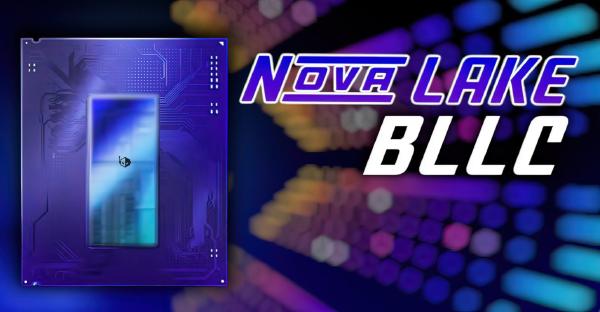
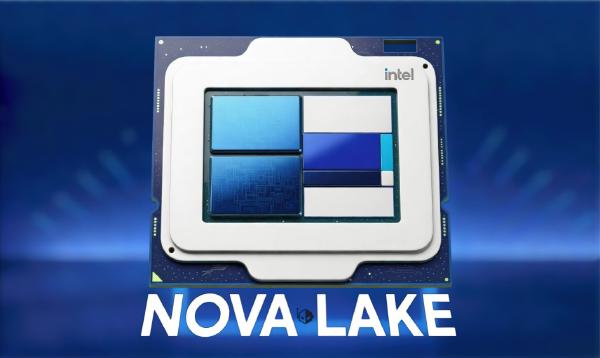
Rumors are swirling around Intel’s next-generation Nova Lake-S CPUs, which may reportedly feature cache configurations that could put them ahead of AMD’s Ryzen 9 9950X3D2. As first reported by Wccftech, insiders suggest that Intel’s upcoming processors could support cache sizes of up to 288 MB, a figure that allegedly represents an increase of 80 MB compared to AMD’s current flagship.
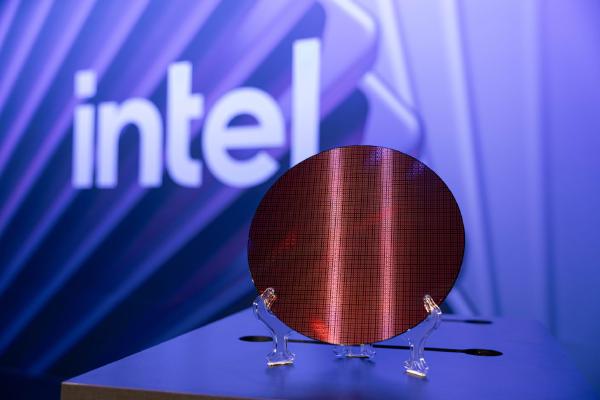
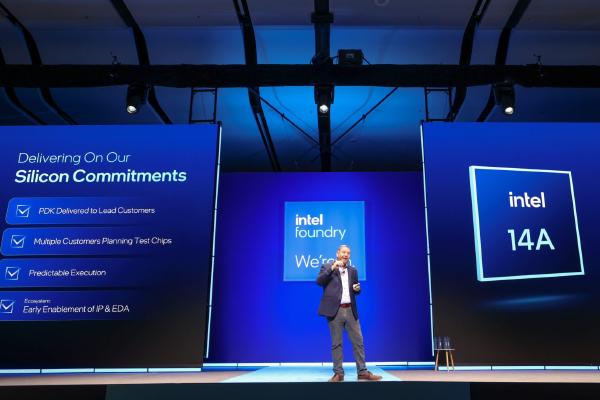
Intel’s Foundry division is gearing up to welcome significant clients, as the company’s 14A technology gains traction in the semiconductor market. As first reported by Wccftech, Intel’s 14A process is not just a technological advancement, but a strategic pivot aimed at attracting external customers rather than focusing solely on internal projects. This approach positions Intel to potentially secure partnerships with some heavyweight names in the industry before the end of the year.
In a recent discussion, Elon Musk emphasized the necessity of the Terafab project to meet the insatiable chip demand from his various enterprises, including Tesla and SpaceX. This announcement underscores the ongoing partnership between Musk and Taiwan Semiconductor Manufacturing Company (TSMC), while also highlighting the limitations of the foundry’s capabilities. As first reported by Wccftech, Musk stated that if TSMC could adequately fulfill his chip requirements, the Terafab initiative may never have been conceived.
Intel is making strategic shifts in its desktop CPU ecosystem to enhance longevity and compatibility, as first reported by Wccftech. The company aims to align its CPU socket strategy with that of its competitor, AMD, offering users a more extended support experience across multiple generations of processors.
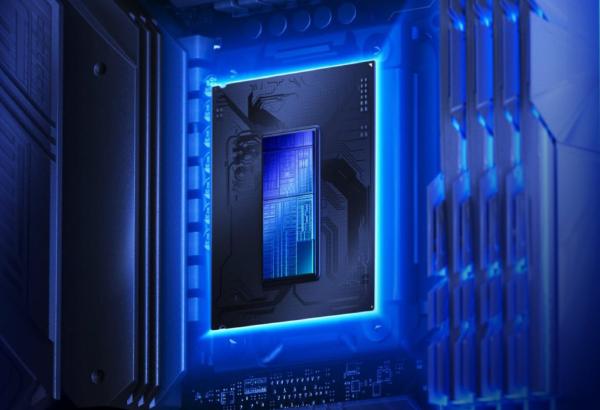
Recent leaks have provided a glimpse into what could be a substantial upgrade for Intel’s desktop CPU lineup with the Nova Lake “Core Ultra Series 4.” As first reported by Wccftech, sources claim that this new family of processors will introduce a fresh architecture, a new platform, and a variety of configurations, potentially marking a significant step forward for the chipmaker.
Intel’s latest release, the Core Ultra 250K Plus, has garnered attention for its impressive performance, particularly in comparison to the Steam Deck. As first reported by Wccftech, benchmarks reveal that this CPU can handle gaming at 1080p, albeit on low settings, thanks to its integrated 4 Xe core graphics.
Intel is gearing up for a significant push into the desktop CPU market with its upcoming Nova Lake line, reportedly incorporating a powerful integrated graphics solution. As first reported by Wccftech, this move aims to counter AMD’s stronghold with its Ryzen APUs, which have garnered a loyal following thanks to their impressive performance.
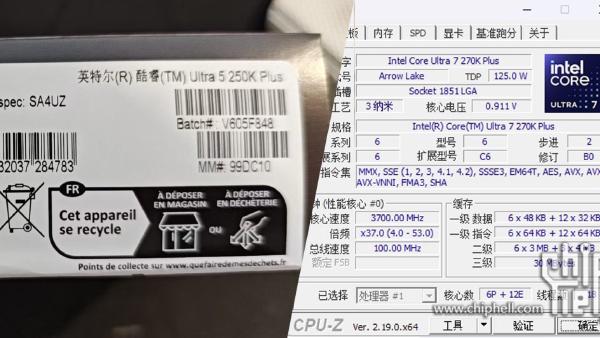
In a peculiar case of hardware misidentification, a user reported that their newly acquired Intel Core Ultra 5 250K Plus was detected as the more powerful Core Ultra 7 270K Plus across multiple platforms. This odd situation unfolded after the user switched motherboards from Colorful to GIGABYTE, as first reported by Wccftech.