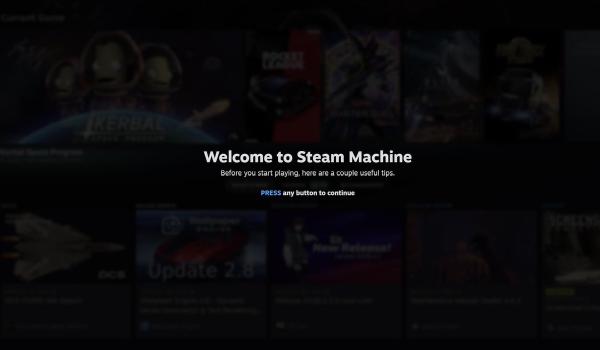
Steam’s recent overhaul of its store interface has triggered a flood of opinions from players, who are divided between those who appreciate the fresh design and those who are not shy about their disdain. As first reported by PC Gamer, users took to social media and community forums to express their feelings, with some labeling the new look as “hot garbage” while others praised its modern aesthetics and improved navigation.
The redesign emphasizes a cleaner layout, with a focus on showcasing games and curated content more effectively. However, this change has not been welcomed by everyone. Many users have noted that the new design feels cluttered, overshadowing the simple functionality that made the platform a favorite among gamers. Comments on various threads reveal a palpable frustration, with some players lamenting the loss of familiar elements that they found easy to use.
One point of contention has been the prominence of recommended titles and featured games. Critics argue that the algorithm feels intrusive, directing players toward popular titles rather than allowing them to explore unique and indie games that might better suit their tastes. Steam has long been a champion for indie developers, so it is disheartening to see users claim that the new layout could make these smaller titles harder to find.
On the flip side, supporters of the redesign argue that it refreshes Steam’s look and aligns it with more contemporary design trends. They appreciate the larger images and more dynamic layout, which they believe enhances the overall user experience. Additionally, the new features, such as improved search functionality and better categorization of games, have been highlighted as potential benefits that could lead to more game discoveries.
These mixed reactions highlight a broader conversation about user experience in digital storefronts. As platforms evolve, balancing aesthetic appeal with functionality remains a key challenge. Developers must consider how design choices impact user engagement, especially when it comes to the indie games that often get overshadowed by more prominent titles.
For Steam, which has solidified its place as the go-to digital distribution platform for PC gaming, feedback from its community is crucial. In response to the uproar, Valve has indicated that they are open to user feedback and may implement further tweaks to the design based on reactions. This adaptability is a welcome sign for those who feel strongly about keeping the platform user-friendly and accessible.
Amidst this ongoing debate, it’s clear that players care deeply about their gaming experiences. The conversations around the new design serve as a reminder of how integral platforms like Steam are to the gaming landscape, especially for lesser-known developers. As the dialogue continues to unfold, all eyes will be on Valve to see how they respond to their community’s concerns.
Contextually, Steam has long been a leader in the digital distribution of PC games, supporting a diverse array of titles from major studios and indie developers alike. The platform has built a robust community that values both popular and overlooked games, making discussions about design changes all the more significant for its user base.
Image credit: PC Gamer
This article was generated with AI assistance and reviewed for accuracy.