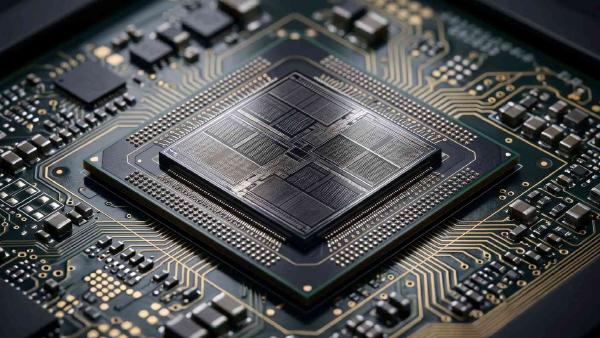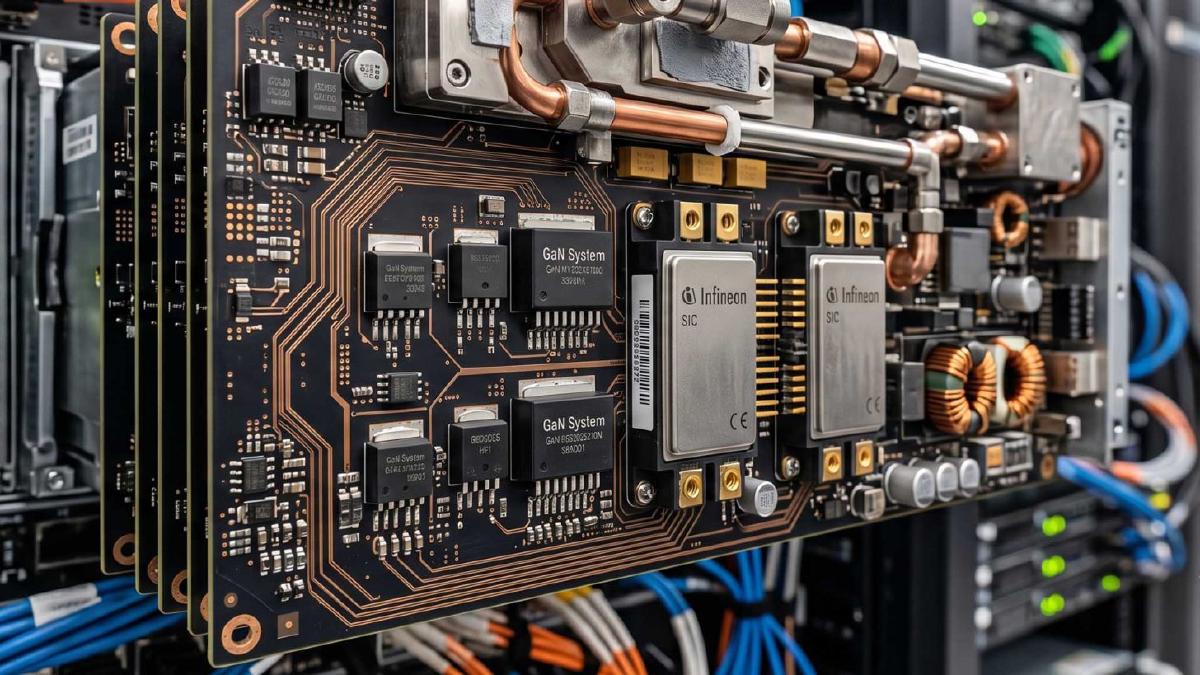
The South Korean government is making a significant investment of approximately 500 billion won, or $329 million, to advance the mass production of next-generation power semiconductors. This initiative falls under the ambitious “Ultra-Innovation Economy Project,” which aims to position South Korea at the forefront of semiconductor technology, particularly in the thriving field of artificial intelligence.
As reported by Wccftech, these power semiconductors are essential for the infrastructure of AI data centers, which have seen exponential growth in recent years. The renewed focus on these chips comes as manufacturers like Samsung and SK hynix have enjoyed substantial profits from DRAM production. Observers believe that power semiconductors could become the next lucrative segment in the semiconductor market, similar to the success achieved with DRAM.
The South Korean government’s investment not only focuses on producing these critical components for AI but also aims to enhance the nation’s competitiveness across various sectors, including energy, mobility, and defense. The expectation is that increased manufacturing capabilities will not only drive economic growth but also reduce reliance on foreign technology, thereby strengthening national security.
The push for power semiconductors aligns with global trends in AI technology, where efficient energy management is vital. These chips are designed to improve energy efficiency, thus enabling data centers to operate more sustainably. As AI applications continue to proliferate, the demand for reliable and efficient semiconductor technology will only grow.
The potential for power semiconductors to generate significant revenue has caught the attention of both industry experts and government officials. With leading tech companies already exploring ways to integrate these chips into their systems, South Korea’s investment is timely. The government’s strategy appears to be not only to support immediate manufacturing needs but also to foster innovation and research that could lead to groundbreaking advances in semiconductor technology.
As the initiative unfolds, it will be interesting to see how this funding translates into real-world applications and whether it can keep pace with the rapidly evolving demands of the tech industry. The global semiconductor market is competitive, and South Korea is keen to maintain its leadership position against formidable rivals.
The commitment to power semiconductors reflects a broader trend in which countries recognize the crucial role of technology in their economic futures. By investing in key areas such as these chips, South Korea is signaling its intent to lead in technologies that will shape our world in the coming decades.
In summary, with this substantial investment, South Korea aims not only to boost its semiconductor industry but also to capitalize on the growing demand for AI-enabling technologies. The next few years will be pivotal in determining the success of this venture and its impact on the global semiconductor landscape.
For context, Samsung and SK hynix are two of the largest semiconductor manufacturers in the world, playing a critical role in the supply chain for memory and processing technologies. Their innovations and strategic investments are influential in determining the direction of the semiconductor market.
Image credit: Wccftech
This article was generated with AI assistance and reviewed for accuracy.