For many years, FurMark has been the go-to tool for GPU stress testing. Gamers would run this benchmark for 30 minutes, confident in the knowledge that if nothing combusted, their graphics card was stable. However, as first reported by Wccftech, this approach is becoming increasingly outdated. Modern graphics cards from manufacturers such as NVIDIA, AMD, and Intel have evolved significantly, requiring a more nuanced strategy for stress testing.
Today’s GPUs are not just more powerful; they are designed with advanced power management and dynamic clock-speed behavior that makes them smarter than their ancestors. Unlike older models that would simply ramp up to maximum performance under load, contemporary GPUs constantly adjust their clock speeds, voltages, and thermal output based on real-time conditions. This complexity means that relying solely on traditional stress tests like FurMark may not provide an accurate representation of a GPU’s stability.
Synthetic stress tests such as FurMark, OCCT, and 3DMark still serve a purpose, but they should be part of a broader testing regimen rather than the singular benchmark of reliability. A GPU might pass a FurMark test while still exhibiting instability under realistic gaming scenarios. This discrepancy arises because these traditional tools often simulate extreme conditions that may not reflect typical gaming environments.
One of the critical aspects of modern GPUs is their ability to adapt. When overclocking or undervolting, a card may perform admirably in a synthetic benchmark yet fail during actual gameplay due to the real-world demands placed on it. This can lead to crashes, artifacts, or thermal throttling, which are not present during synthetic tests. Therefore, a comprehensive testing process should include various types of workloads and scenarios to ensure stability.
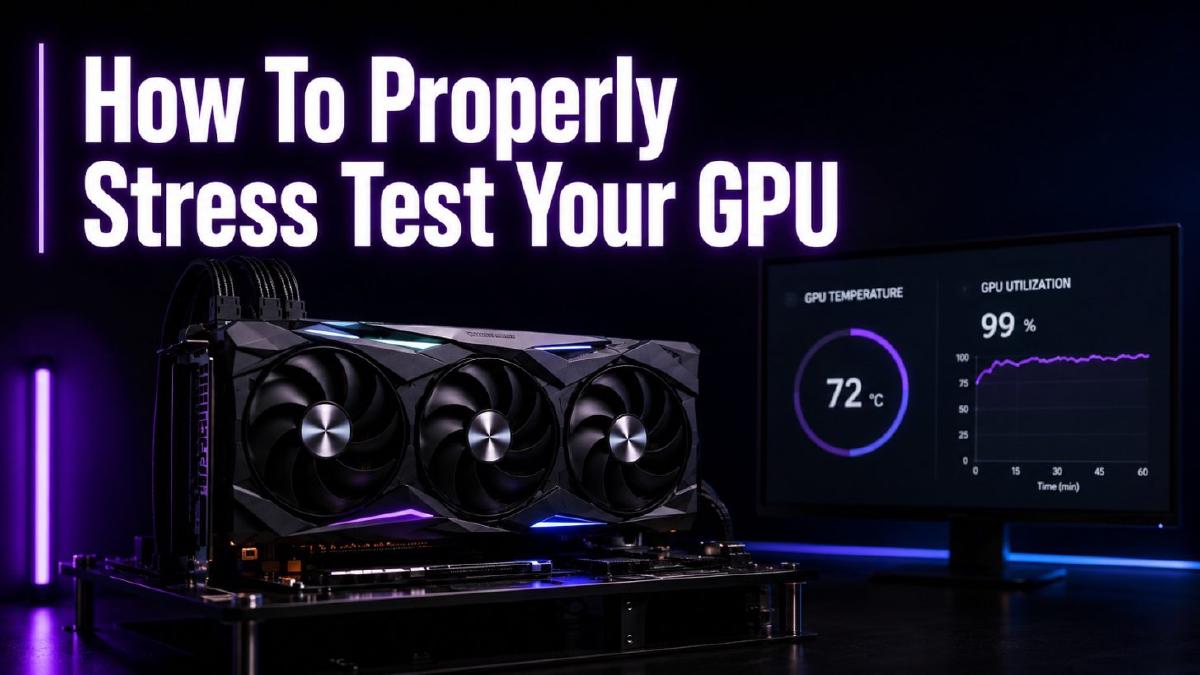
To effectively stress test a modern GPU, users should incorporate a mix of synthetic benchmarks and real-world gaming sessions. Tools like 3DMark can provide valuable insights into performance, but they should be complemented with extended gameplay sessions across different titles. This strategy allows users to observe how the GPU handles diverse workloads, temperatures, and power draw, ultimately providing a more reliable assessment.
Thermal management is another crucial factor in GPU stability. Modern graphics cards are designed to operate efficiently, but they can still overheat if not properly cooled. When stress testing, it is essential to monitor temperatures closely and ensure adequate cooling solutions are in place. This might involve adjusting fan curves or even considering aftermarket cooling solutions for users aiming to push their hardware further.
In summary, while traditional stress testing tools like FurMark have their place, they should not be the sole criteria for assessing GPU stability. A more comprehensive and multifaceted approach is necessary for modern graphics cards. By combining synthetic benchmarks with extensive gaming sessions and monitoring thermal performance, users can achieve a clearer and more reliable picture of their GPU’s capabilities and long-term stability.
As technology continues to advance, GPU manufacturers are likely to implement even more intelligent power management features and dynamic behaviors. Keeping up with these changes requires an informed approach to stress testing, ensuring that gamers are equipped with the knowledge they need to get the most out of their hardware.
Context: NVIDIA, AMD, and Intel are leading manufacturers of graphics cards, renowned for their contributions to the gaming and technology sectors. Understanding how to properly test these devices can significantly enhance user experience and hardware longevity.
Image credit: Wccftech
This article was generated with AI assistance and reviewed for accuracy.