NVIDIA’s recent announcement of the RTX Spark processors has left the tech community buzzing, but a new analysis reveals that the excitement may come with a hefty price tag. Analysts from Morgan Stanley have projected that laptops powered by these next-generation processors will not have entry-level prices below approximately $1,800, with high-end models expected to start around $2,900. This assessment, first reported by Wccftech, raises concerns about the accessibility of this cutting-edge technology for consumers.
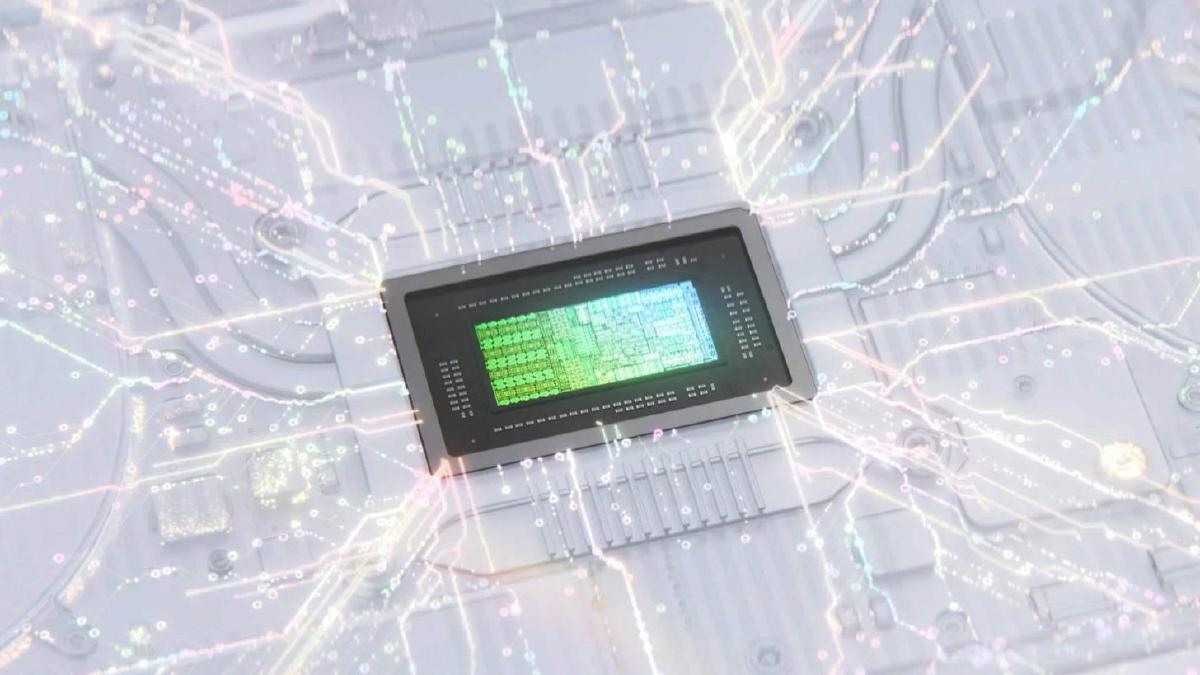
The RTX Spark platform is built on TSMC’s advanced 3nm fabrication process, which is designed to enhance performance and efficiency significantly. This innovation is particularly important for edge AI applications, which NVIDIA envisions as becoming as integral to everyday computing as Windows is today. However, the reliance on costly manufacturing techniques, combined with the advanced capabilities of the RTX Spark processors, points to a challenging market for both manufacturers and consumers.
The high price barrier could limit the reach of NVIDIA’s vision of pervasive edge AI, which aims to integrate AI processing more seamlessly into a variety of computing devices. As the demand for powerful GPUs continues to grow, NVIDIA’s decision to leverage the expensive 3nm technology raises questions about the long-term sustainability of such pricing strategies in a competitive landscape.
The RTX Spark processors boast impressive specifications, including a 20-core design that promises remarkable performance improvements over previous generations. This performance leap is likely to make these processors appealing for high-end gaming and professional applications. Yet, the steep pricing could mean that only enthusiasts and professionals willing to invest substantially will be able to take advantage of these advancements.
For context, NVIDIA has historically been a leader in the graphics processing market, consistently pushing the envelope with their innovations. The RTX line has set benchmarks for gaming graphics, and the RTX Spark appears to be a continuation of that trend, albeit at a financial cost that may deter broader adoption.
As the tech industry continues to evolve, NVIDIA’s ambitious plans for the RTX Spark could significantly influence the trajectory of high-performance computing, but at what expense? The anticipated prices could reshape consumer behavior and preferences, pushing many to consider alternatives or defer upgrades.
Overall, while the technological advancements offered by the RTX Spark platform are promising, the associated costs could present a barrier to many potential users. NVIDIA will need to navigate these pricing challenges carefully to ensure that its vision of widespread edge AI integration can be realized without alienating its broader user base.
Image credit: Wccftech
This article was generated with AI assistance and reviewed for accuracy.