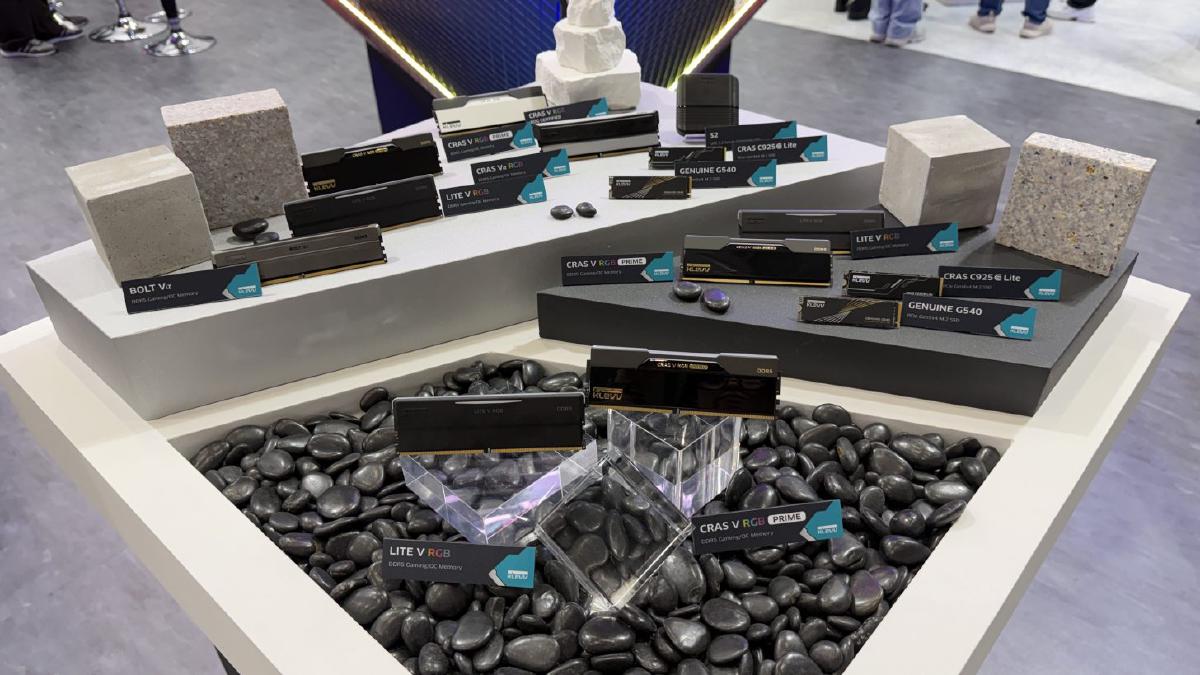
KLEVV has announced its latest advancements in DDR5 memory technology at Computex, showcasing a range of high-performance memory kits that push the limits of speed and capacity. Among the standout offerings is the CRAS Vα RGB memory module, which boasts an impressive speed of 10,000 MT/s. This breakthrough positions KLEVV as a key player in the premium memory market.
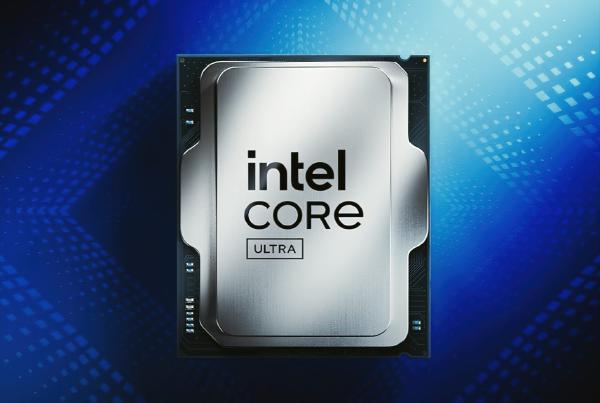
The CRAS Vα RGB module is optimized for Intel’s CUDIMM platforms, specifically targeting processors such as the Core Ultra 200S series. This model features a dual-module configuration, with each module packing 24 GB of DRAM, culminating in a total capacity of 48 GB. This is particularly advantageous for gamers and content creators who demand high bandwidth for their applications.
As first reported by Wccftech, KLEVV is not only focusing on speed but also expanding its product range. The company has unveiled 4R (four ranks) kits that offer substantial capacity options, reaching up to 256 GB. This variety caters to users who require extensive multitasking capabilities and seamless performance across demanding software environments.
The 10,000 MT/s profile of the CRAS Vα RGB represents a significant milestone in DDR5 technology. This speed enables faster data transfer rates, resulting in improved performance for both gaming and professional applications. With the increasing demand for high-speed memory in competitive gaming and intensive workloads, KLEVV’s offerings could be a for enthusiasts looking to upgrade their systems.
KLEVV is also emphasizing compatibility with AMD’s latest memory standards by showcasing its EXPO ULL (Ultra Low Latency) technology. This feature is designed to enhance performance by optimizing memory timings, making it a suitable choice for users who prioritize both speed and responsiveness in their computing tasks.
The growing trend towards high-capacity, high-speed memory is reflective of broader shifts in the gaming and computing landscape. As more games and applications leverage advanced graphics and processing capabilities, the need for robust memory solutions becomes apparent. KLEVV’s new lineup could redefine expectations for system builders and gamers alike.
At Computex, KLEVV has positioned itself as a leader in the memory market, providing solutions that not only meet current needs but also anticipate future demands. With its focus on speed, capacity, and compatibility, KLEVV is well-equipped to cater to a diverse range of users, from casual gamers to professional creators.
KLEVV is a subsidiary of the leading memory manufacturer Essencore, known for its commitment to quality and innovation in memory solutions. The company has earned a reputation for delivering cutting-edge products that enhance performance in gaming and professional environments, making it a name to watch in the technology space.
Image credit: Wccftech
This article was generated with AI assistance and reviewed for accuracy.