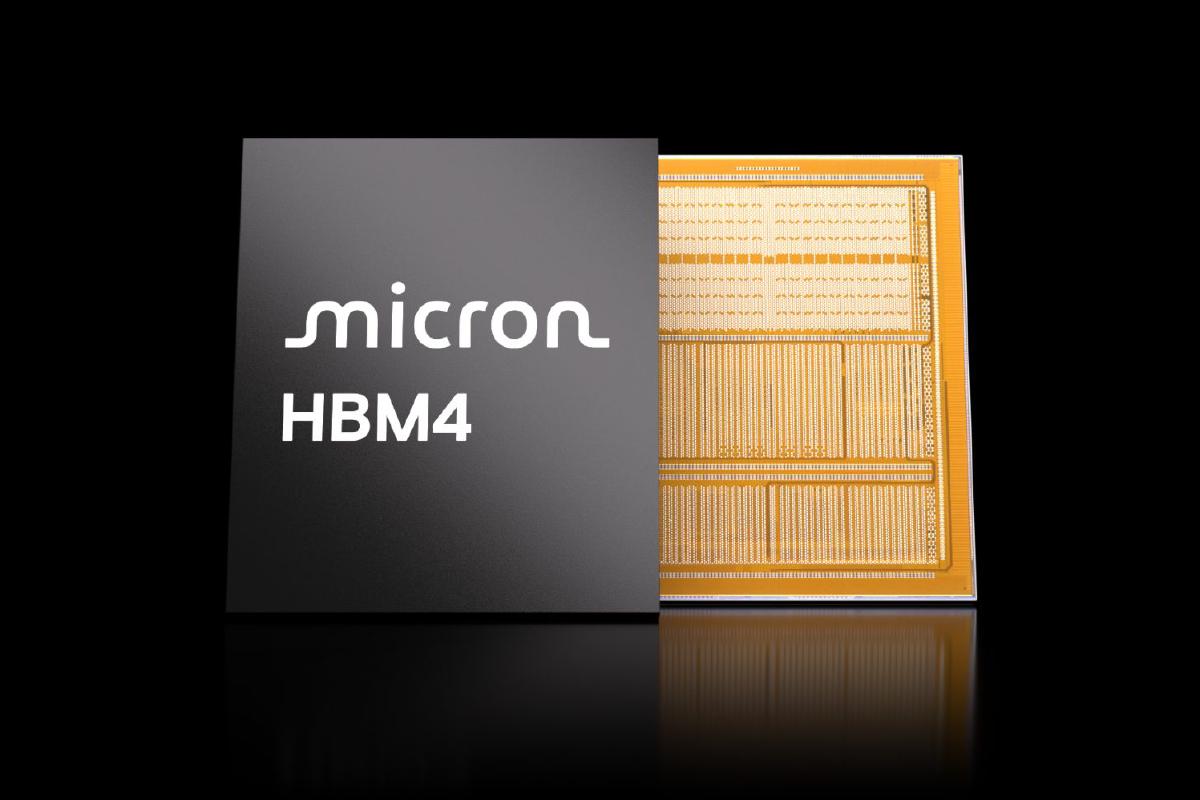
The landscape of memory pricing is shifting dramatically, with DDR5 memory experiencing a surge in profitability that is reshaping the competitive dynamics with High Bandwidth Memory (HBM). Recent insights from market research firm TrendForce indicate that the profitability of certain DDR5 variants has outstripped that of HBM, leading to expectations of price hikes in 2027 as demand for AI technologies continues to escalate.
As first reported by Wccftech, this trend is underpinned by an increase in per-wafer revenue for DDR5 memory, which has been bolstered significantly by the AI boom. The growing reliance on AI applications, particularly by giants like NVIDIA, has created a robust demand for advanced GPUs that require high-performance memory solutions. This ongoing demand is expected to keep HBM in the spotlight throughout 2026, especially as NVIDIA prepares to roll out new AI-centric GPUs.
TrendForce’s analysis suggests that as suppliers recognize the growing profitability of DDR5, they are likely to leverage this advantage to negotiate higher prices. This shift in pricing power could disrupt existing contracts and pricing mechanisms that have historically limited manufacturers from aligning prices with current market realities. The research firm notes that the existing contract pricing mechanism has often kept memory manufacturers from effectively responding to market fluctuations, which could change as they capitaliz on the current trends.
The forecast for 2027 indicates that not only will DDR5 memory see price increases, but HBM prices are also expected to experience upward pressure due to the continuous demand from AI sectors. This dual trajectory of price hikes for both types of memory is poised to create a complex environment for manufacturers and consumers alike.
As the competition heats up, manufacturers who can effectively adapt to the evolving demands of the AI market will likely gain a significant edge. The transition towards DDR5 could signal a pivotal moment not only for memory producers but also for the broader tech ecosystem that relies on cutting-edge hardware.
Given the rapid advancements in AI technology and the critical role memory plays in this evolution, it will be essential for stakeholders across the industry to stay abreast of these developments. The stakes are high, and as memory pricing dynamics continue to shift, the ramifications will be felt far beyond just profitability metrics.
This shift not only highlights the resilience of the memory market but also underscores the transformative impact of AI on hardware demands, setting the stage for a new era in memory technology.
Context:
DDR5 memory represents the next evolution in dynamic random-access memory (DRAM) technology, offering faster data rates and improved bandwidth compared to its predecessors. The rise of AI applications has significantly increased the demand for high-performance memory solutions, making it a focal point for developers and manufacturers alike. TrendForce is known for its market intelligence and analysis in the tech sector, providing valuable insights to help navigate the complexities of the market.
Image credit: Wccftech
This article was generated with AI assistance and reviewed for accuracy.